01
Strategy & Briefings
We research where your organisation could use or sell into space, what it costs, and brief your leaders.
e.g. a logistics firm weighing satellite tracking
ForCompanies · Agencies
Analysts sell reports. Primes sell hardware.
We've flown the missions — and we build the capability in you.
Led by former NASA scientist Dr. Bidushi Bhattacharya, AstroHub helps companies, universities and government agencies enter the space economy — from strategy, to orbit, to building your own space team.
Why now The space economy is heading for US$1.8 trillion by 2035. Most organisations know they should be part of it; few know where to start.
We research where your organisation could use or sell into space, what it costs, and brief your leaders.
e.g. a logistics firm weighing satellite tracking
We help you plan an experiment or small-satellite mission: the design, the approvals and the path to launch.
e.g. a university planning its first small-satellite mission
From workshops where your team builds a working mini-satellite, to executive and university-level courses in space management.
e.g. a graduate programme adding space-industry modules
Board-level strategy from Dr. Bhattacharya and David Peng on partnerships, investments and your next moves in space.
e.g. a board deciding whether to back a space venture
Laptop to Launchpad™ — led by a former NASA scientist.
Singapore American School students designed a melanin-and-radiation experiment. AstroHub supplied the lab hardware and mentoring, from research question to NASA approval to launch on SpaceX CRS-11.
A magnetic-fluids experiment by Haileybury College and Swinburne University students, built with AstroHub’s kit and launched from Wallops Island in May 2018.
Simon Gwozdz took AstroHub’s CubeSat workshop on the way to founding Equatorial Space Industries, now building launch vehicles in Singapore.
Across 12 countries — from six venues in Singapore, including the ArtScience Museum, to the International Space University in Australia.
Every experiment we have flown to the ISS returned data, each one taken from kit to flight-ready payload in about five months. See the full mission log →
As a non-space, non technical person, I found the course very enlightening and useful in helping me understand better what goes on in the world of cubesats, an increasingly important and transforming development in the space industry.

Dr Bidushi's CubeSat workshop is a fantastic first foray into this exciting new domain for everyone — making the technology accessible, it's a highly recommended introduction to this game-changing platform, and gave us a practical insight into our target market.
I am not aware of any other comprehensive short course that succeeds in efficiently packing this level of information into such a friendly, accessible format.
One of the biggest parts of the project that I enjoyed was being a part of something that is bigger than me, and working with people closely while also honing my technical skills.
The instructor(s) was incredibly knowledgeable and articulate… I would definitely recommend this to my co-workers as well as friends.
To me, this kind of access to knowledge for basically anybody is what lowering the barrier to entry looks like in practical terms.

I went from watching a tonne of CubeSat videos on YouTube, to making my own at the workshop, which was amazing and got all my tinkering senses tingling.
The questions leadership teams ask us first, and how we answer them.
Licensing, spectrum filings, export controls, integration paperwork — the part of space that actually decides schedules now. We've taken eight payloads through the full approval gauntlet, and Dr. Bhattacharya teaches space policy and regulation at the graduate level.
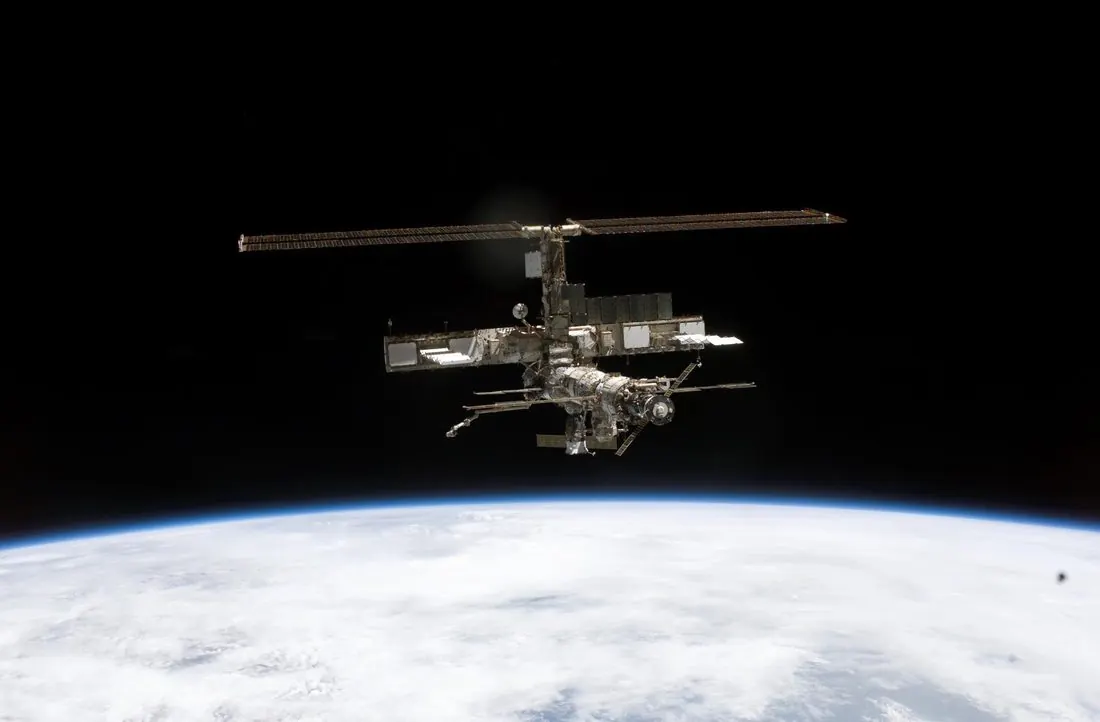 International Space Station · NASA
Where you fit in an economy headed for US$1.8 trillion: sector maps, entry strategy, costs and timelines your board can defend. A 35-year rocket scientist and a 35-year global asset manager, working your numbers together.
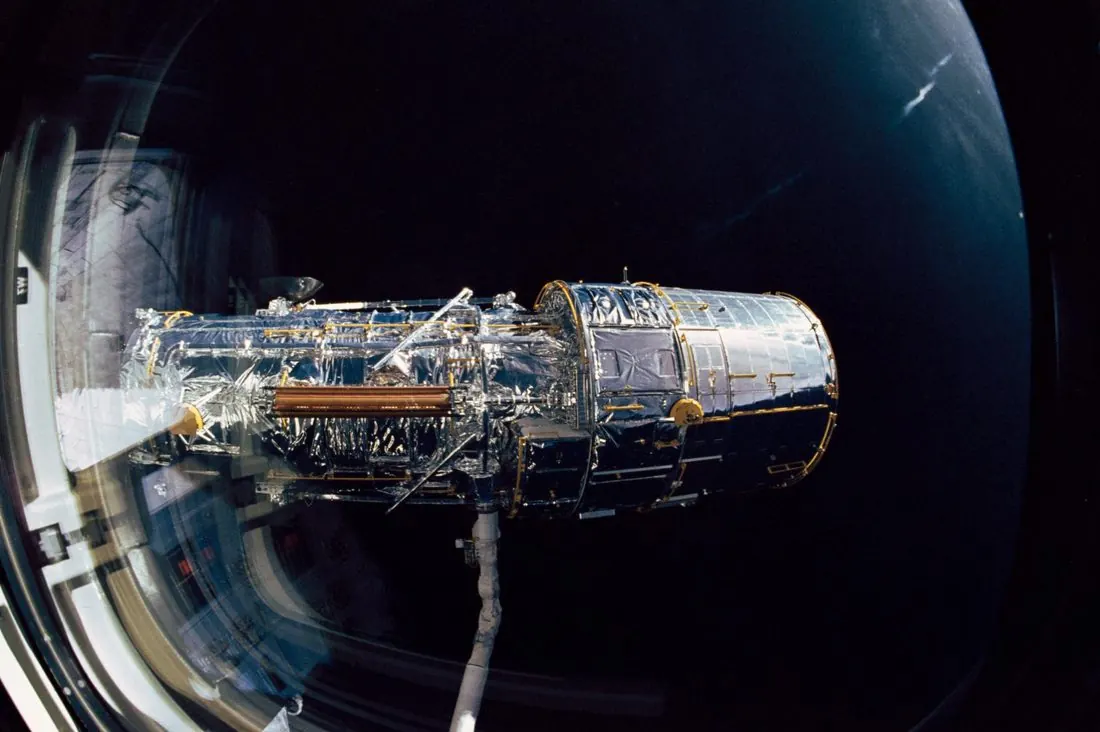 Hubble deployment, 1990 · NASA
Your people — that's the point. The industry's scarcest resource is experience, so we transfer it: 600+ trained, from CubeSat engineering to executive briefings, and every engagement ends with your own team prepared for space.
 Mars Pathfinder · NASA
From experiment design to launch manifest: hardware realities, integration, operations. Eight experiments coordinated end to end to the International Space Station — in addition to a NASA survey she led that discovered asteroids.
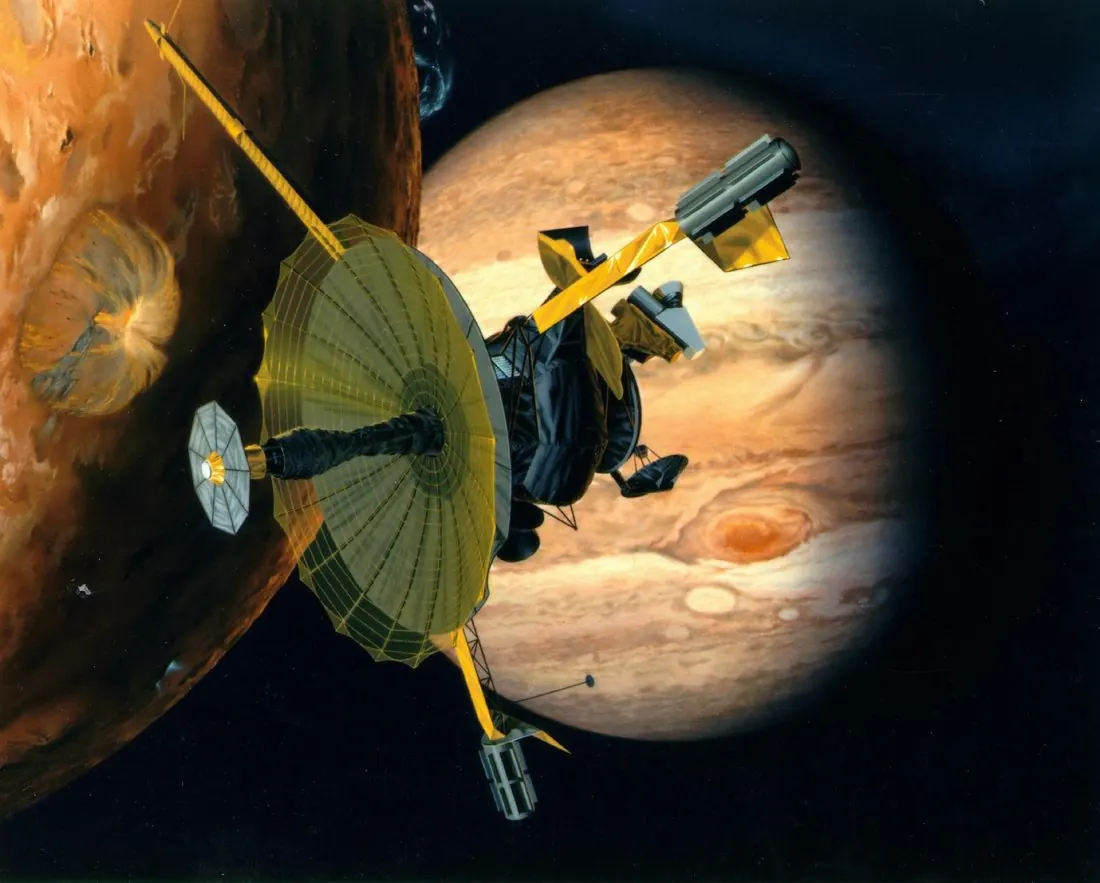 Galileo at Jupiter, artist's concept · NASA
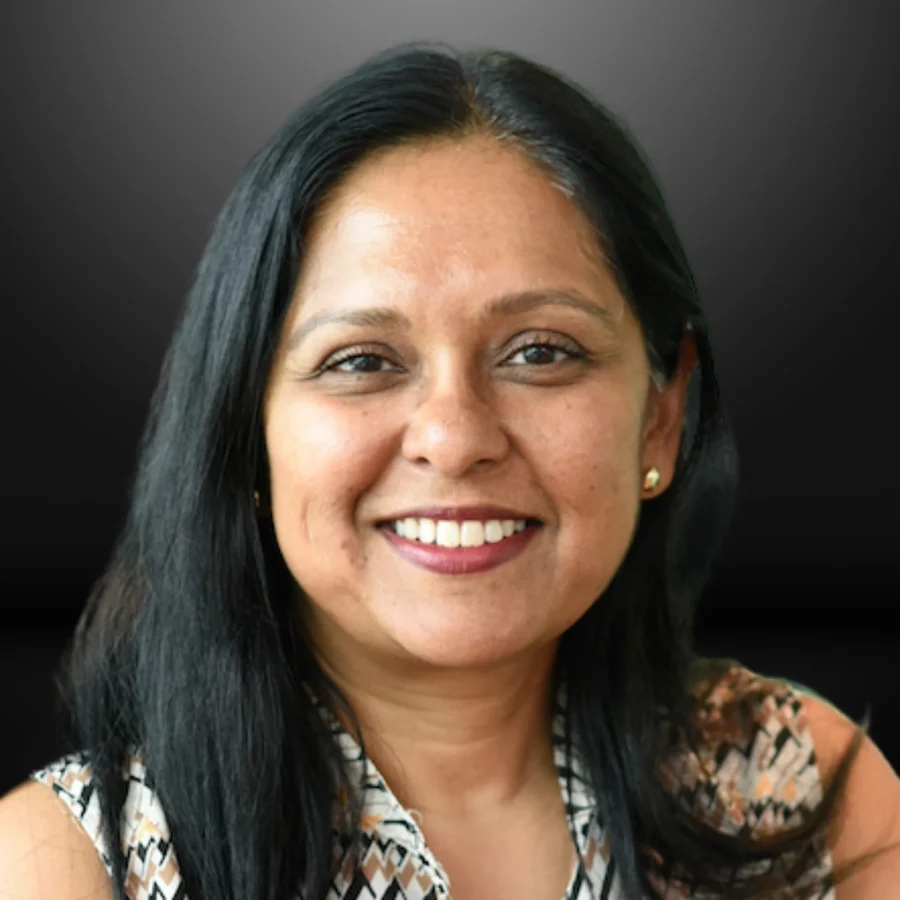
35 years in the global commercial space sector and at NASA. Her missions are the ones you know: Hubble, Galileo, the Mars Rover Program, ESA's Herschel. Since 2016 she has taken that experience to the commercial sector — founding Southeast Asia's first space-tech incubator and coordinating eight experiments flown to the ISS.
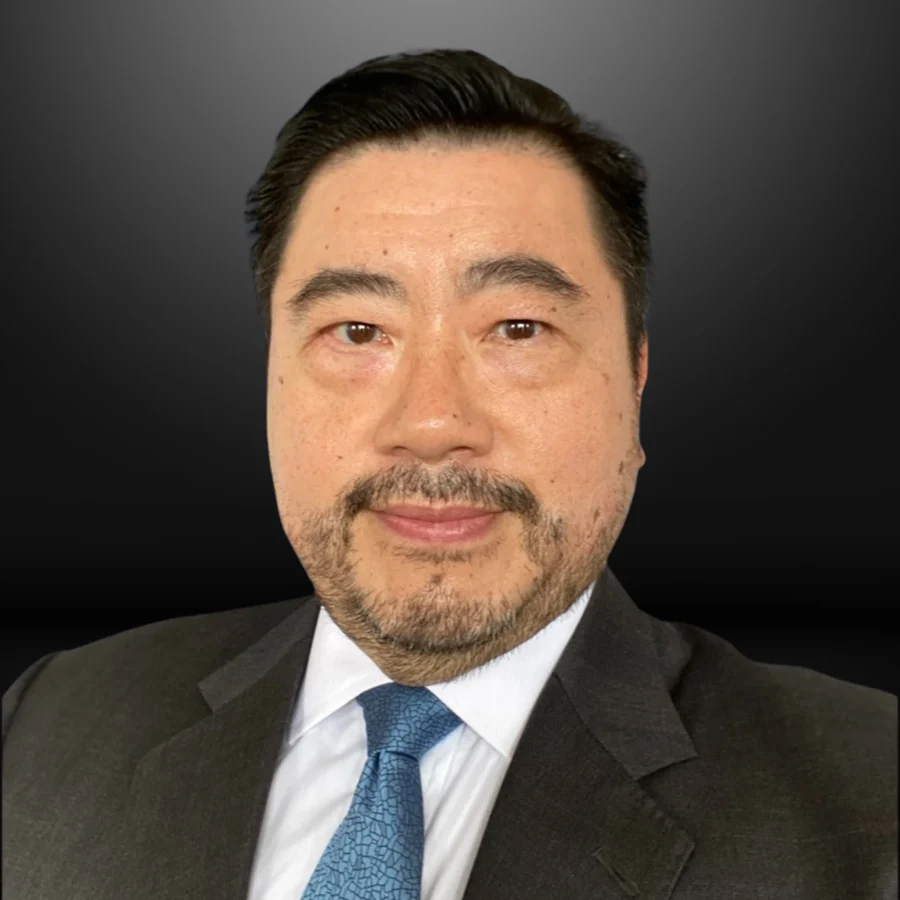
Thirty-five years in global asset management — BlackRock, Merrill Lynch, Bank of China — paired with a Master's in Space Leadership, Business & Policy. David makes sure the strategy works on the balance sheet, not just on the launchpad.

 TEDx
 THE EDGE MALAYSIALIFTOFF ASIATATLER ASIA

Her notes on where the space economy is heading, on Substack.
Preparation starts with one conversation. We'll tell you honestly what space asks of your organisation — and what it offers.
A 30-minute conversation with Bidushi or David.
AstroHub is a space industry consulting firm headquartered in Aliso Viejo, California, founded by former NASA scientist Dr. Bidushi Bhattacharya, that helps companies, governments and agencies enter the space economy. An SBA-certified Woman-Owned Small Business, AstroHub has coordinated 8 experiments to the International Space Station and trained 600+ students and professionals across the Asia-Pacific space sector.
For companies, governments and agencies — whether you're exploring a first satellite payload, a national capability, or a position in someone else's supply chain.
Book a callYou speak to the founders directly. No account managers, no hand-offs to junior staff.
The International Space Station retires around 2030 and commercial stations from Vast, Axiom and Starlab take its place, while the industry stages for the Moon and Mars. What hasn’t got easier is everything around the hardware: licensing, spectrum, export rules, integration, and people who have done it before. That is our home ground.
Projected size of the space economy — most growth from industries that aren't space companies yet.
ISS retirement. Commercial stations — Vast, Axiom, Starlab — take over low-Earth orbit.
Space startups worldwide, and counting.
You suspect space data, space manufacturing or the space supply chain touches your business, but you can't yet justify the investment to your board. We turn "we should look into space" into a costed, defensible plan.
A space capability is now part of national infrastructure. We help ministries and public agencies scope programmes, develop workforces and avoid the procurement mistakes that cost other nations years.
Universities, research institutes and development agencies with experiments to fly or programmes to build. We've coordinated eight experiments to the ISS, so we know the paperwork as well as the physics.
A structured audit of your objectives, existing capabilities and gaps. Deliverable: a needs assessment that tells you plainly whether space is worth your money — and where.
Aerospace expertise combined with financial analysis — a 35-year rocket scientist and a 35-year asset manager working the same problem. Deliverable: a sector map, entry strategy, cost and timeline model, and risk register, written for decision-makers.
Implementation support and structured capability development so your own people can run the programme — technical fluency, regulatory literacy, procurement know-how. Deliverable: a team that doesn't need us for the day-to-day.
Post-delivery reporting and a scalability roadmap. Deliverable: an honest review of outcomes and a plan for the next stage — sized to what the first stage proved.
Client names stay confidential. The questions they brought us don’t have to.
A feasibility study for developing a satellite constellation, now feeding into the firm’s thinking on future strategy.
A briefing on the current state of space nuclear power, now part of the company’s thinking on future strategy.
One corner of the space economy, researched for your decision-makers and taught to your team in a single working session. Some briefings end there; some become stage one.
Commission a briefingWeighing something not listed? Ask.
Go-to-space consulting helps organisations that are not aerospace companies enter the space economy — assessing whether space serves their goals, designing an entry strategy, training their workforce, and advising through execution. AstroHub's version is led by scientists and financiers who have flown real missions.
No. Most AstroHub clients start with no space capability at all. The engagement begins with your business objectives, not with rocketry — the space expertise is what you're hiring.
Because building was never the expensive mistake — flying is. Hardware has become accessible; approvals, spectrum, export rules, integration and operations have not. Most first-time programmes lose their year (and their budget) in that paperwork, not in the lab. Our engagements are designed around the modern bottleneck: navigating the approvals and developing your workforce so the second mission doesn't need us.
Every engagement is scoped individually after a discovery conversation — a national workforce programme and a first payload feasibility study are very different projects. The first call is free and carries no obligation.
A Sector Briefing: part research, part executive education on one subsector of the space economy, written for your decision-makers and taught to your team in a working session.
AstroHub is headquartered in Aliso Viejo, California, and works with clients internationally — with a particularly deep track record across the Asia-Pacific space sector, where Dr. Bhattacharya founded Southeast Asia's first space-tech incubator.
Dr. Bidushi Bhattacharya and David H. Peng, directly. AstroHub does not hand engagements to junior staff.
Tell us what you're weighing. We'll tell you honestly whether space belongs in your strategy — and what it would take.
Book a callA 30-minute conversation with Bidushi or David.
Eight experiments from teams in Singapore and Australia, one destination — the mission log below is the track record behind every recommendation we make.
How brine shrimp develop in microgravity.
How gut bacteria behave in microgravity.

How plants grow without gravity to orient them.

Growing protein crystals in microgravity, where they can form larger and more ordered than on Earth.

The bacteria behind tooth decay, studied in microgravity.

Electroplating metal in microgravity.

How magnetic fluids move and settle in microgravity.

A genetically modified bacteria experiment testing whether melanin shields living cells from space radiation — and the first research payload Singapore ever sent to the International Space Station.
Before Southeast Asia had a satellite workforce, AstroHub started building one. In the CubeSat Workshop — Space Systems & Nanosatellite Assembly, students and professionals didn't just watch slides: they assembled desktop CubeSat models, wired the electronics, and programmed the link between their CubeSat and mission control — then learned where the entrepreneurial openings in the space sector are.
Desktop CubeSat models built to the standard 10 cm CubeSat form factor, with Arduino-based electronics that participants wired and programmed themselves.
Alongside the workshops, AstroHub flew eight experiments to the ISS through Quest Institute and NASA — the same integration path our consulting clients inherit today.
Participants ranged from Yale-NUS College students to working executives — and founders: the CEO of Equatorial Space came through this room.
Dr Bidushi's CubeSat workshop is a fantastic first foray into this exciting new domain for everyone — making the technology accessible, it's a highly recommended introduction to this game-changing platform, and gave us a practical insight into our target market.
I went from watching a tonne of CubeSat videos on YouTube, to making my own at the workshop, which was amazing and got all my tinkering senses tingling.
I have never done a course on satellites… The organizers used Arduino to show us the process of launching a cube satellite (which is similar to hitchhiking someone's rocket to space).
Webinars, talks and the thinking behind the programmes live on, free and public, on AstroHub's YouTube channel. Want a workshop for your team? Ask us.
The programmes above built the track record. Today, that track record backs our consulting.
Book a callA 30-minute conversation with Bidushi or David.
AstroHub exists because getting into space shouldn't require 35 years in space. It just requires working with someone who has already put the years in for you.
35 years in the global commercial space sector and at NASA, on the missions that defined modern space science: Hubble, the Galileo mission to Jupiter, the Mars Rover Program, ESA's Herschel — with contributions across Voyager, Mars Pathfinder, Cassini and Terra.
Then she did what few mission scientists do: she left to build the commercial side — founding Southeast Asia's first space-tech incubator, training the region's first generation of space engineers, and seeding the astropreneur movement across Asia. Eight experiments to the ISS and 600+ people trained later, that experience is what clients hire.
Space projects fail on spreadsheets more often than on launchpads. David brings thirty-five years of global asset management — BlackRock, Legal & General, Standard Life, Merrill Lynch, Bank of China — plus a Master's in Space Leadership, Business & Policy from ASU Thunderbird.
Board director of the Orion Astropreneur Space Academy and senior advisor at BluFin Advisory. At AstroHub, David ensures every strategy is one your CFO will sign off on.
Most organisations that could benefit from space never try, because the distance between their desk and the launchpad looks unbridgeable. Our work is closing that distance — from the first analysis on a laptop to hardware in orbit, and every regulatory, financial and human step in between.
One conversation is enough to find out what space asks of your organisation — and what it offers.
Book a callA 30-minute conversation with Bidushi or David.
Tell us a little about your organisation. We read every message, and you'll hear back from a person — usually within two business days.
No newsletters, no automated sequences — your details are used only to reply to you.
Sorry, that didn’t go through. Please email us at info@astrohub.co.
Thank you — your message is in. Bidushi or David will reply within two business days. (Preview: nothing was sent.)